From industrial metals and commercial scrap to end-of-life electronics, we buy across a comprehensive range of categories that matter most to households, workshops, and large-scale industries.
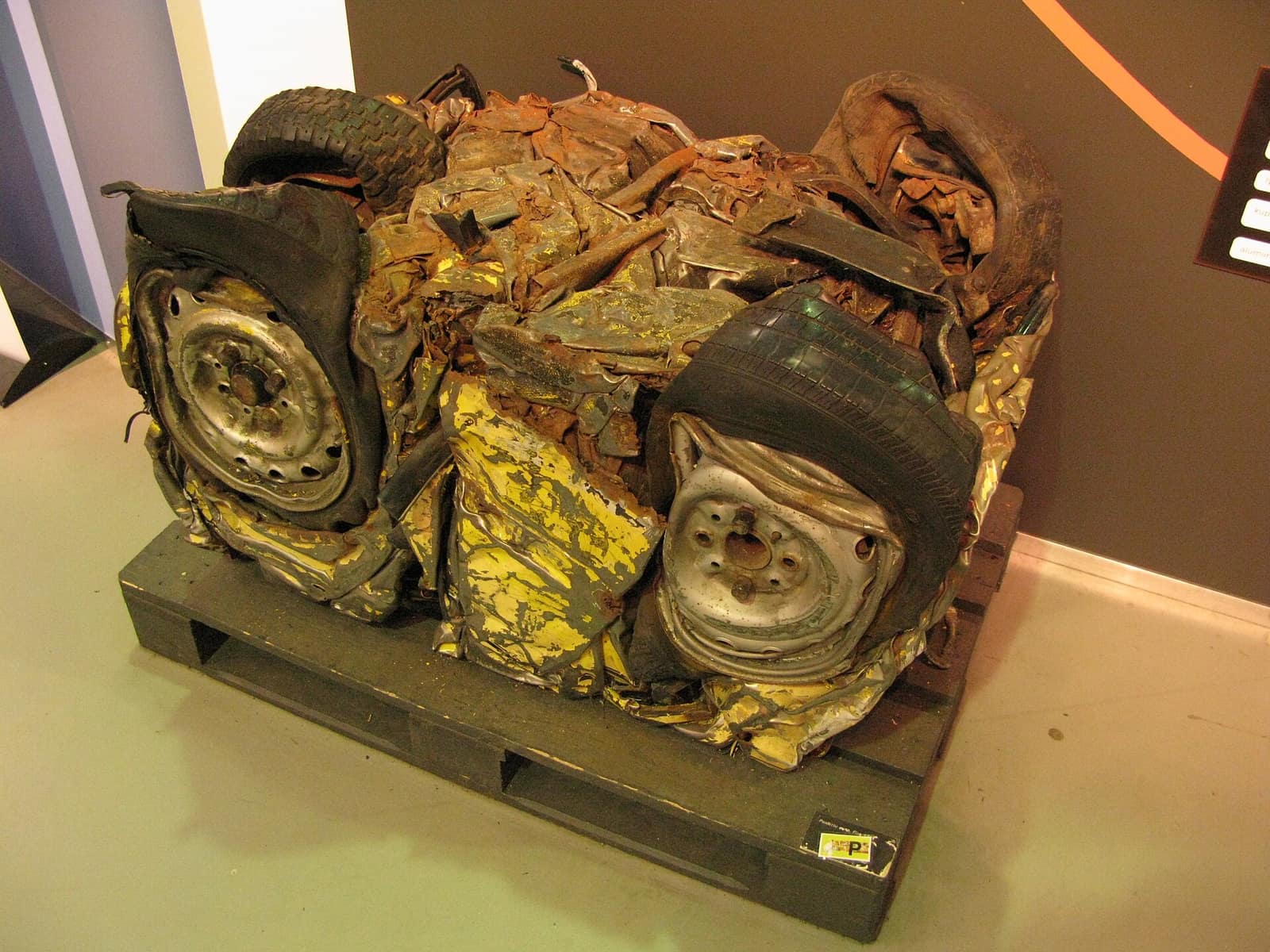
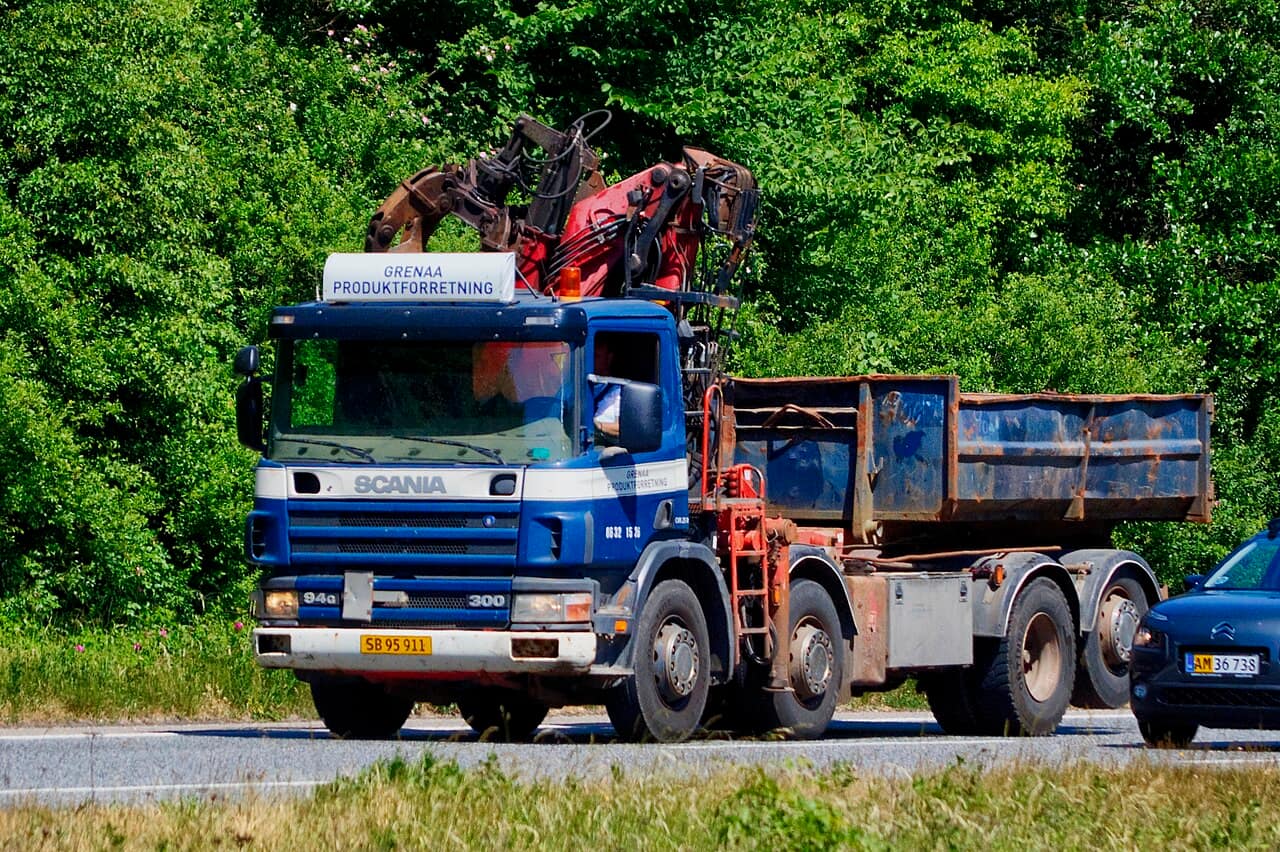
Structural steel, angles, rods, sheets, pipes and machine components make up the bulk of the ferrous scrap we collect. Iron and steel are among the most widely recycled materials globally because they can be melted and reprocessed repeatedly without losing structural integrity, making clean, well-sorted iron scrap consistently valuable to downstream furnaces and re-rolling mills.
Copper wire, cable, pipes and fittings are graded by purity and condition — bare bright copper commands the highest rates, while insulated wire and mixed copper fittings are priced accordingly. Because copper retains nearly all of its properties through repeated recycling, it remains one of the most sought-after non-ferrous metals in the scrap trade.
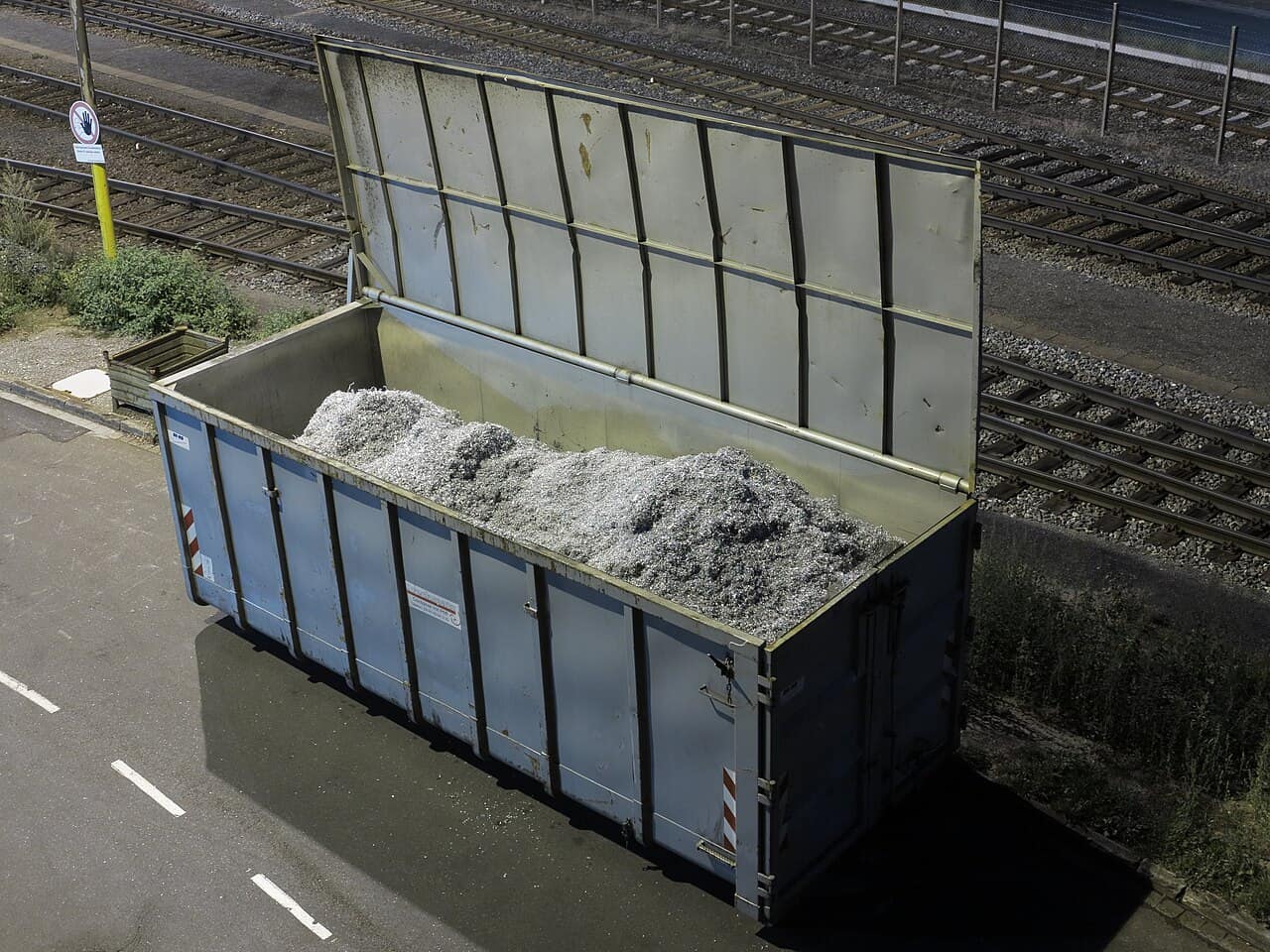
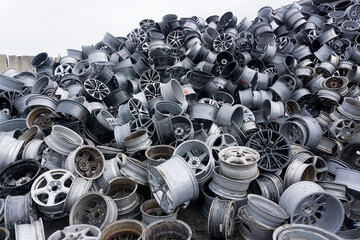
Aluminium sheets, extrusions, window frames, utensils, castings and engine parts are accepted and sorted by alloy type and form. Aluminium is lightweight, corrosion-resistant and highly recyclable — recycled aluminium requires a fraction of the energy needed to produce primary metal, which keeps demand for clean aluminium scrap consistently strong.
Brass fittings, valves, taps, rods and decorative hardware are bought based on grade and copper-zinc content. As a copper alloy, brass scrap holds meaningful resale value and is commonly reclaimed from plumbing fixtures, machine fittings and old hardware during renovation or decommissioning work.
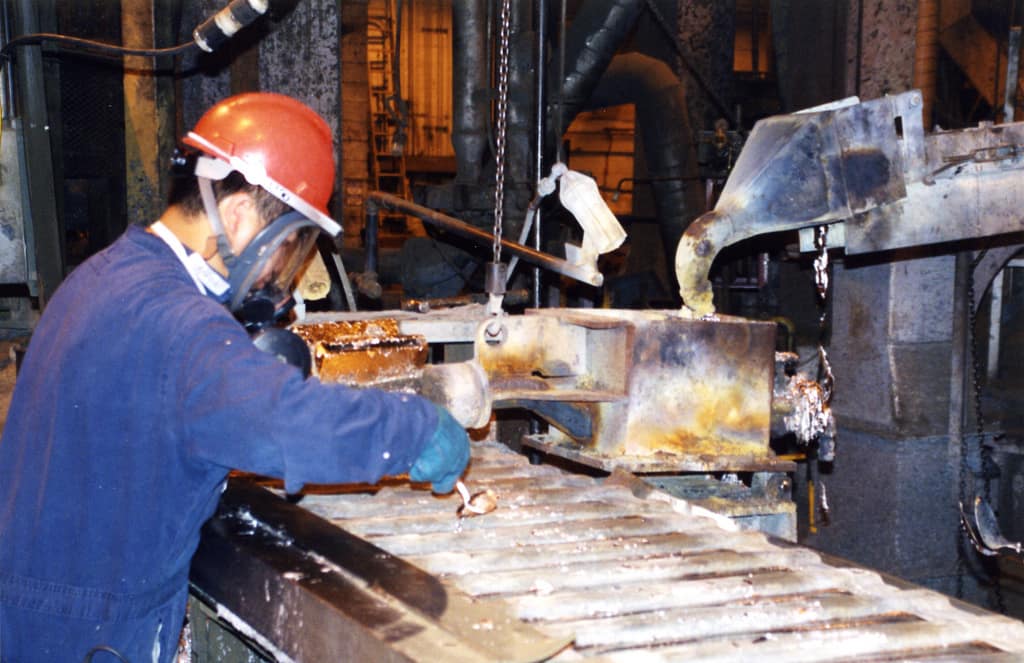
Lead-acid batteries from vehicles, inverters and UPS systems, along with other industrial batteries, are collected and handled with appropriate care due to their hazardous content. Lead and other recoverable metals inside spent batteries are valuable inputs for secondary smelting, which is why proper collection — rather than informal disposal — matters for both safety and resource recovery.
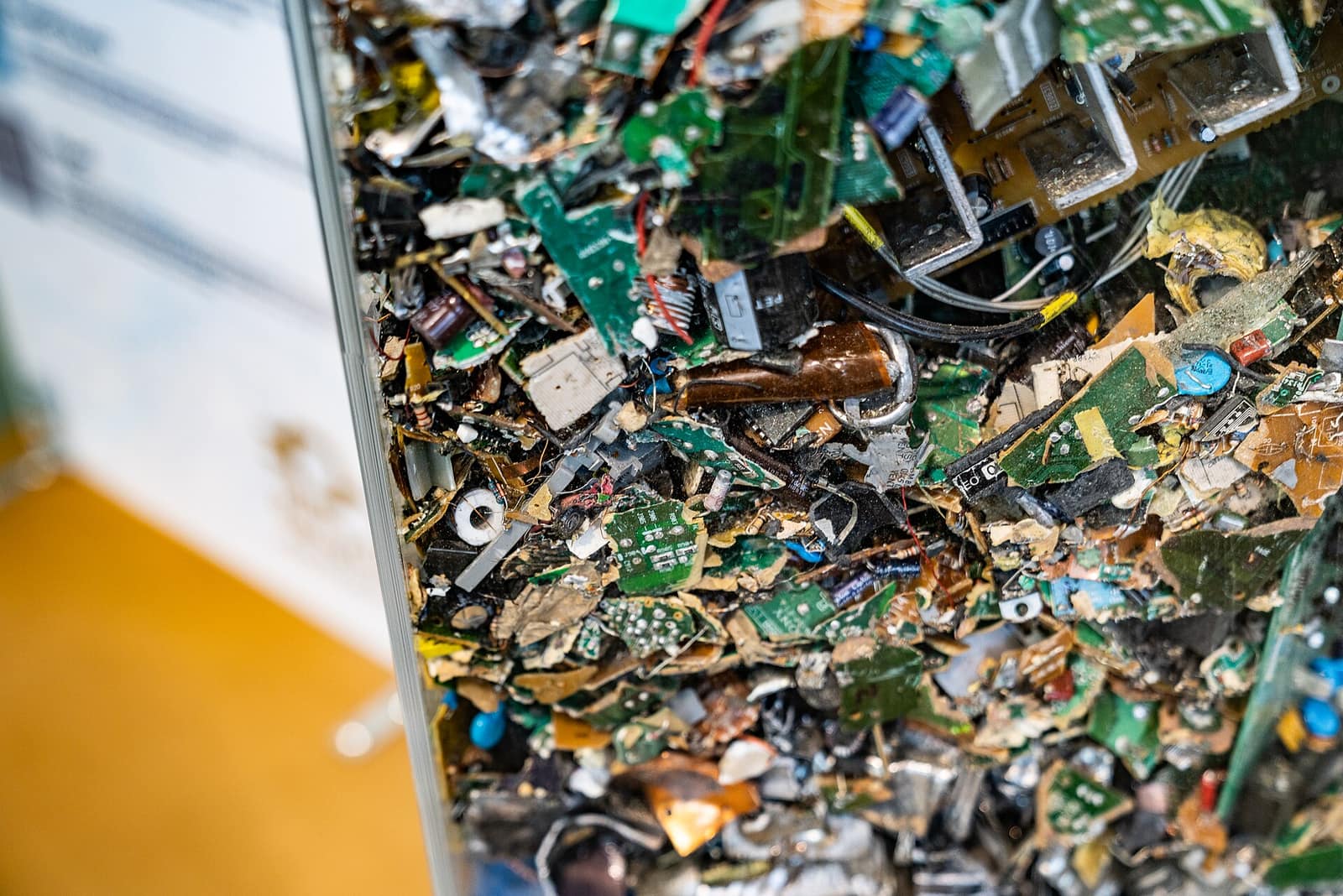
Desktops, laptops, monitors and associated peripherals reaching end-of-life are accepted for recycling. These devices contain a mix of recoverable metals — including copper, aluminium and trace precious metals on circuit boards — alongside plastics that require separation, which is why structured e-waste handling matters more than simply discarding old IT equipment.
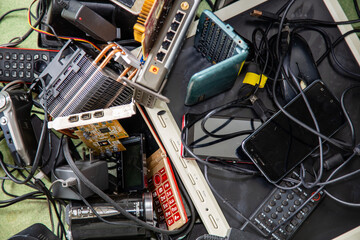
Printers, scanners, routers, UPS units and general office electronics are accepted as e-waste. Like computers, these devices combine metals, plastics and circuit boards that are far better recovered through proper e-waste channels than left in storage or disposed of with general waste.
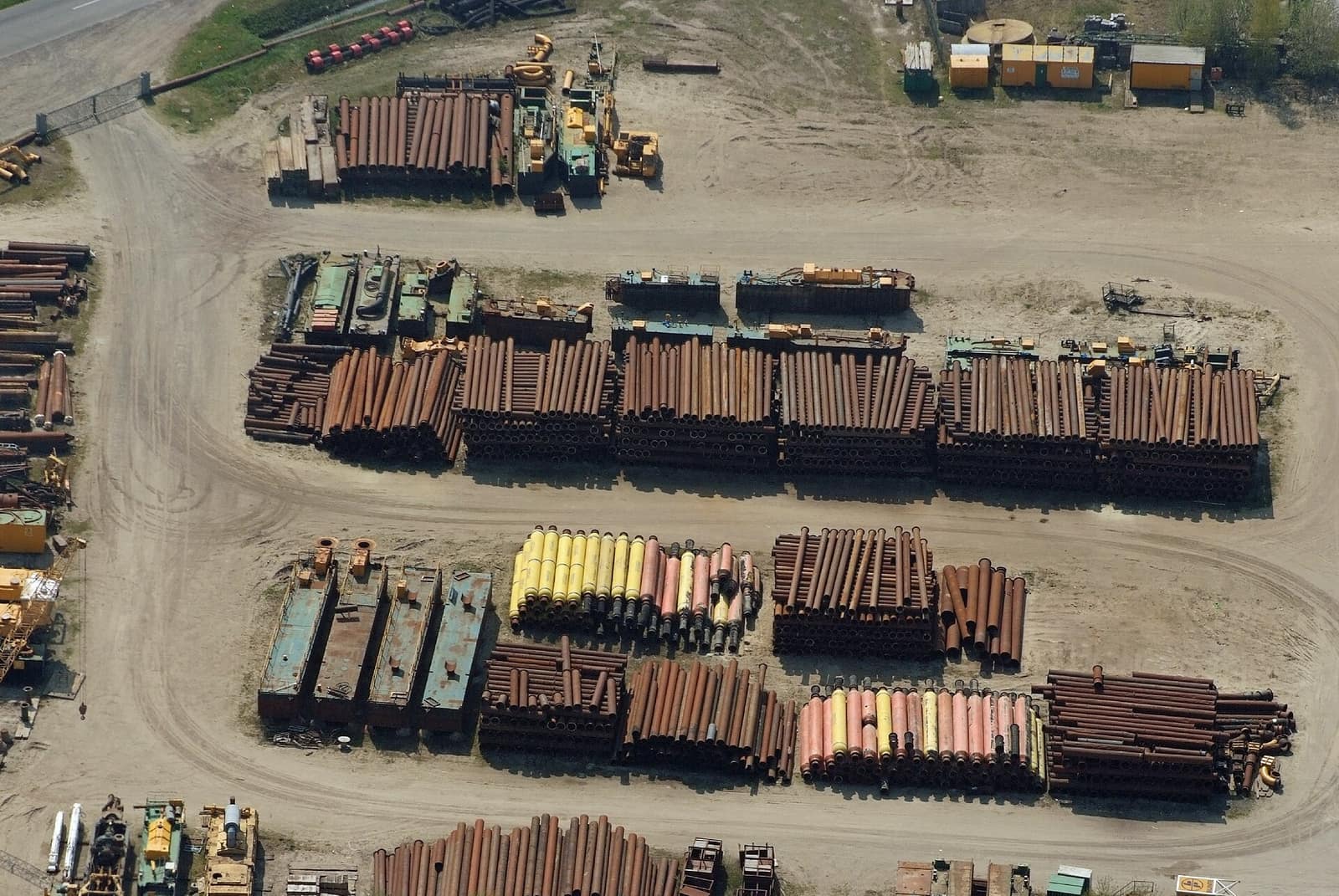
Production offcuts, decommissioned machinery, factory floor metal waste and mixed industrial by-products are collected directly from manufacturing units and workshops. We work with businesses to set up regular collection schedules that keep factory floors clear while ensuring recoverable metal doesn't go to waste.